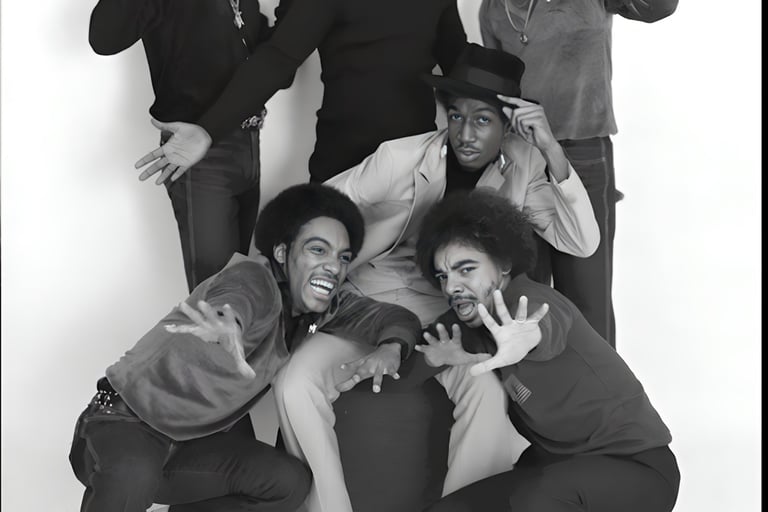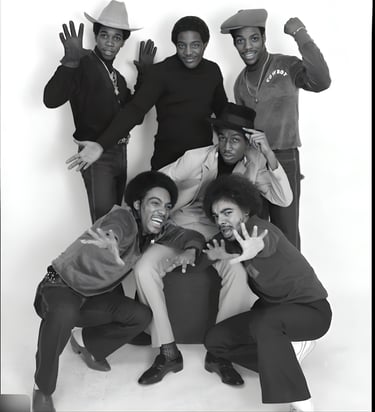
Grandmaster Flash, the Scientist Who Turned DJing Into a Precision Craft
12/3/20253 min read
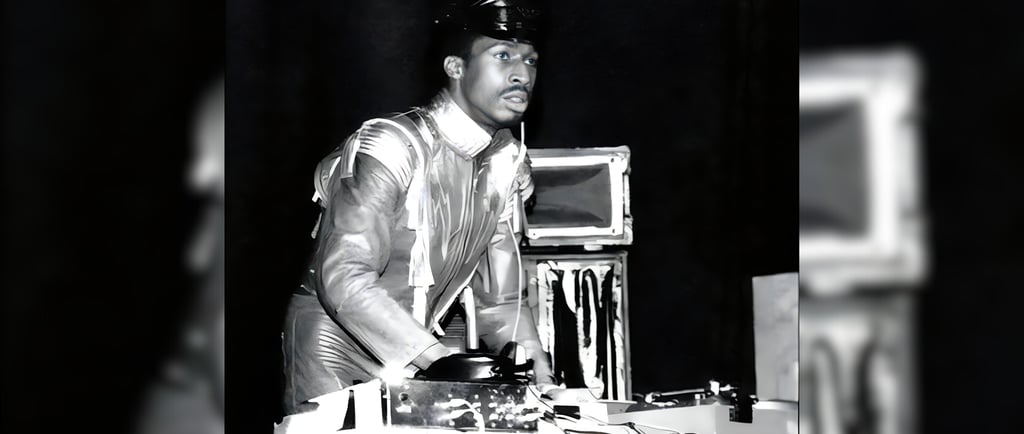
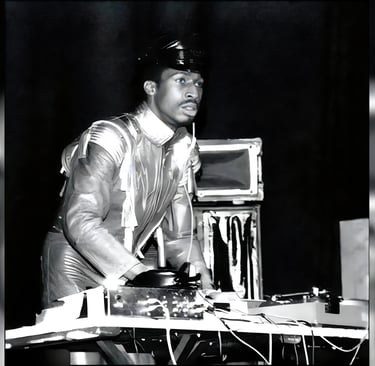
Imagine a young kid in the South Bronx leaning over a pair of beat-up turntables like a mechanic peeking under a hood. While most DJs were focused on keeping the party going, he was studying the mechanics behind the music. He watched how records dragged, where the sound slipped, and how rhythm could be cut apart and rebuilt. That kid, Joseph Saddler, would grow into Grandmaster Flash, the mind who transformed hip hop from raw energy into a disciplined craft.
Flash wasn’t just spinning records. He was breaking them down, studying them, pushing them. He treated DJing like a science experiment, each move deliberate and each technique refined. And the culture shifted because of it.
Where the Technician Was Born
Flash’s love for electronics started early. Radios, wires, broken mixers, anything he could open up and figure out. His father owned a serious collection of Caribbean records, but it was Flash who turned the house into a lab. So when hip hop started taking shape at Bronx block parties, he wasn’t just a kid with a hobby. He already had an engineer’s mind for sound.
Guesswork wasn’t enough for him. He wanted precision. He wanted control. He wanted to bend the break exactly where he needed it. That drive set the stage for everything he created.
Three Innovations That Changed the DJ Booth Forever
Flash didn’t just improve DJing, he upgraded the entire operating system. Here are the three breakthroughs that rewrote the rules.
1. The Backspin
Before Flash, DJs hoped they found the break again. Flash guaranteed it. He marked his records so he could land on the exact beat every time. No luck, just skill.
2. Punch Phrasing
This is where he turned the mixer into an instrument. Flash would drop in quick bursts of sound, sharp hits and vocal stabs that shot through the speakers. It was the beginning of real live remixing.
3. The Quick-Mix Theory
This was his masterpiece.
Flash figured out how to loop a break endlessly by rotating between two identical records with surgical smoothness. No gaps, no drift, just clean, continuous rhythm. MCs could rap longer, dancers could go harder, and the whole party shifted into a new gear.
From Innovator to Architect
Flash’s techniques didn’t just elevate him, they raised the bar for everyone else. MCs stretched their flows. Dancers found new pockets to move in. Crowds stayed locked in longer. Those early Bronx jams became the training ground for global culture.
When Flash joined forces with the Furious Five, the sound gained a new edge. Their track The Message didn’t just bump, it spoke. It brought street life, pressure, and survival into the spotlight with a honesty hip hop hadn’t put on wax before. Flash wasn’t just cutting records now, he was cutting through the silence around real life.
The Lab Coat Legacy
Every DJ who came after Flash, from Jam Master Jay to Premier to Qbert, built on what he engineered. His techniques became the fundamentals. His mindset became the model. He showed that hip hop wasn’t a lucky spark, it was intentional design.
Grandmaster Flash didn’t just change the sound.
He altered the blueprint.
What His Era Still Teaches Us
Kool Herc opened the door, but Flash built the structure around it. Hinges, framework, foundation, all tightened with intention. He proved that talent matters, but mastery is what makes history.
Craft doesn’t happen by accident.
Craft is built.