
Women’s Hip Hop Fashion in the 80s: Style, Spirit, and Survival
A Look Born on the Block, Not the Runway
12/1/20253 min read
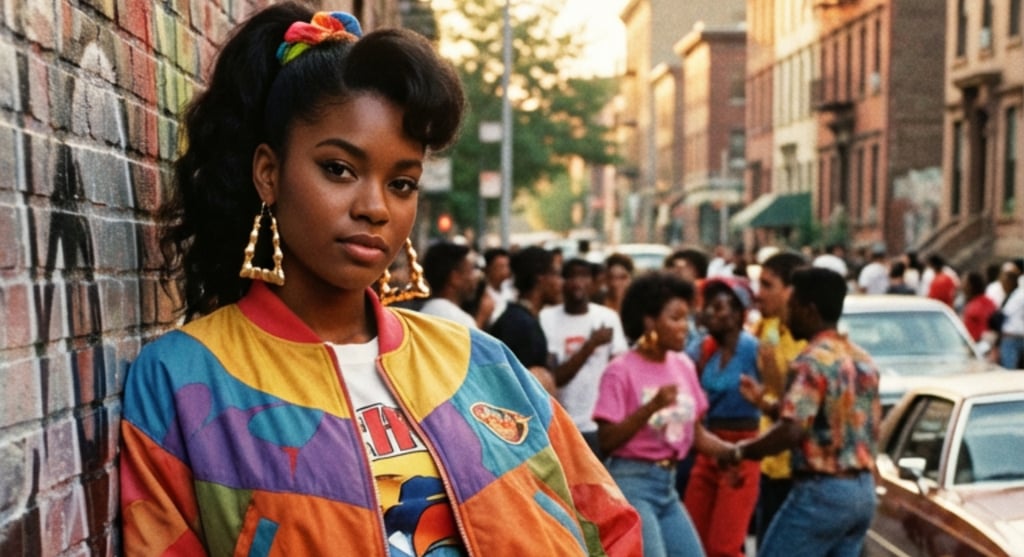
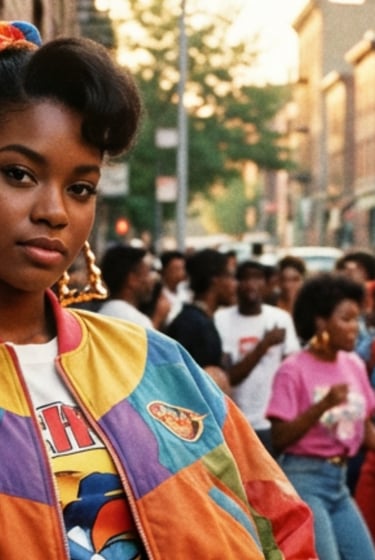
When hip hop was still young, the women who stepped into the culture didn’t just dress fresh, they dressed with purpose. Their style wasn’t about trends or runway looks; it was about identity, resistance, confidence, and claiming space in a world that tried to shrink them.
80s women’s hip hop fashion was loud but honest, bold but grounded, fierce but feminine. It spoke without saying a word, and every piece they rocked had meaning.
A Look Born on the Block, Not the Runway
Before stylists and brand deals, women in hip hop styled themselves. The look came straight from the block: street corners, school hallways, project staircases, basement parties, and train rides across the city. Clothes were chosen for flavor, comfort, and survival.
You saw:
• Bamboo earrings big enough to catch the sun
• Door-knocker hoops swinging like punctuation
• Oversized jackets with attitude
• Tracksuits in bright colors that matched your whole crew
• Tight jeans one day, baggy cargos the next
• Sneakers laced thick, shell-toes spotless
• Bucket hats, Kangols, scarves, tilted caps
Everything was fly but real. Cute but tough. Stylish but practical. These women weren’t dressing for likes. They were dressing for life.
Fashion as Protection
The world wasn’t soft for women coming up in the 80s, especially in hip hop spaces dominated by men. The oversized jackets, loose sweats, and layered shirts weren’t just a look—they were armor.
Baggy clothes said,
“I’m here to rap, dance, write, shine… not to be distracted or disrespected.”
It created room for talent to speak first.
Women used fashion to set boundaries without having to raise their voice.
Fashion as Identity
Women weren’t trying to look like anyone else. They were carving out their own lane.
Salt-N-Pepa rocking asymmetrical cuts, bold prints, and leather jackets? That wasn’t just a style statement. It was brand, bravado, and business.
MC Lyte blending tomboy cool with feminine edge? She showed girls they could be powerful without performing femininity for approval.
Roxanne Shanté stepping on stage in jeans and a jacket with more attitude than your whole crew? That was the embodiment of hip hop authenticity.
Their outfits told stories:
• “I’m from here. Don’t get it twisted.”
• “I can hang with the guys and still be myself.”
• “I can be soft and sharp at the same time.”
Fashion as Rebellion
Back in the 80s, the world told young Black women to shrink, soften, stay quiet, stay “ladylike.” Hip hop fashion said the opposite.
It said:
“I define me.”
“My body, my rules.”
“My image belongs to me.”
Big jackets, bold colors, loud jewelry—these were acts of rebellion in a society that wanted women neat, quiet, and controlled.
These women walked into male-dominated cyphers, studios, and stages wearing outfits that declared:
“I’m not here to be hidden. I’m here to be seen.”
Fashion as Expression and Freedom
Hip hop was a culture of expression—through sound, dance, graffiti, and style. Women took that expression and flipped it their own way.
Their fashion choices were:
• Joy when the world felt heavy
• Pride when their voices were dismissed
• Flavor in a time of struggle
• Freedom in a culture they helped build
The bright colors, custom jackets, layered gold chains—these weren’t just looks. They were statements of survival and self-love.
Fashion as Empowerment
Every piece of clothing told the truth of the era.
Women said through their style:
“I am powerful.”
“I am part of this culture.”
“I deserve respect.”
“I am not a side note in hip hop—I am the story too.”
And that empowerment traveled. Women around the country copied the looks because it made them feel strong, proud, and connected.
The Legacy Lives On
The wildest part?
So much of today’s hip hop and streetwear fashion for women is rooted in what the 80s queens created.
Bamboo earrings? Still iconic.
Baggy jeans with fitted tops? Still everywhere.
Bold prints and oversized jackets? Still legendary.
Sneaker culture? Women helped build it from day one.
Their style wasn’t a phase; it was a foundation.
In the End, It Was More Than Fashion
Women’s hip hop fashion in the 80s symbolized:
• Strength in a world that tested them
• Identity when society tried to erase them
• Creativity born from struggle
• Rebellion against being boxed in
• Unity with other women who walked the same streets
• Pride in culture, community, and self
It wasn’t just clothing.
It was language.
It was armor.
It was culture.
It was history.
And it still echoes in every streetwear trend today.